Handling Tough Situations: How to Stand Your Ground Without Picking a Fight
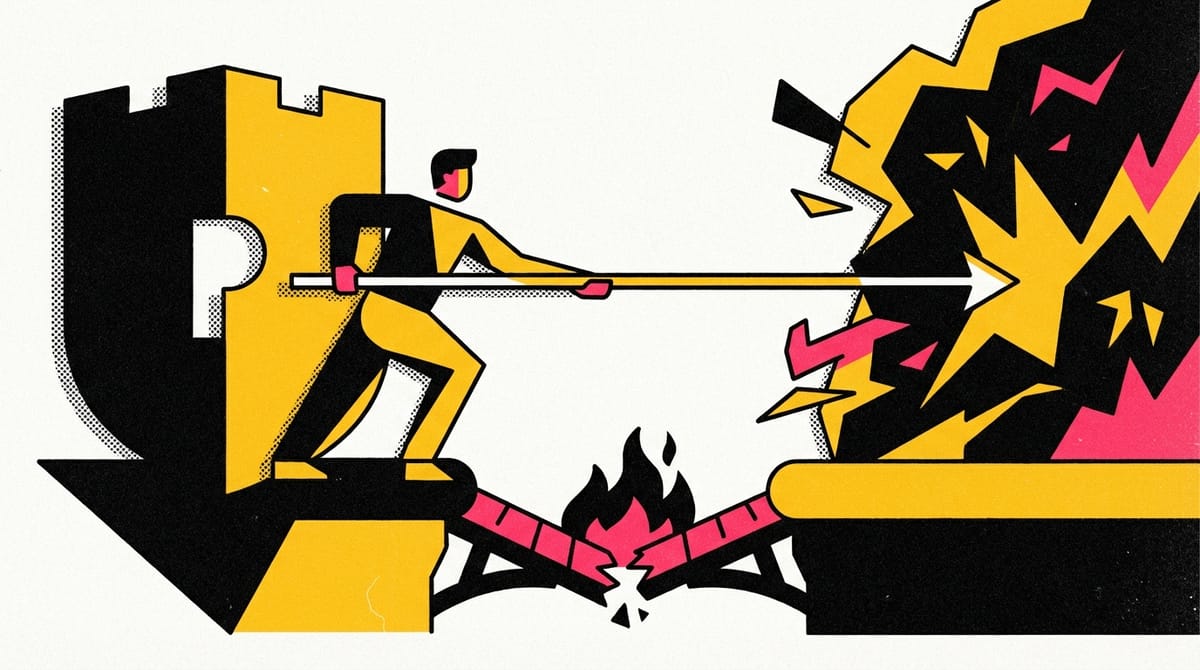
Disagreements with clients don't have to end in burned bridges or burned-out freelancers. The key is knowing how to push back professionally—and protecting yourself before conflict ever starts.

What this is about
In any long-term client relationship, tough situations are almost inevitable:
- disagreements over product decisions
- harsh feedback
- attempts to pressure you into unfavorable terms
- the risk of getting stiffed or not getting paid
To avoid burnout and not become a pushover, you need to master doing all of these at once:
- maintaining your professional stance
- not sliding into aggression or arguments
- protecting yourself legally and organizationally
Why you can't argue head-on with a client
Direct statements like:
- "You're wrong"
- "You don't understand anything"
- "I'm the expert here, not you"
always lead to the same outcome:
- trust crumbles
- conflict escalates
- the client goes into defense mode instead of collaboration
Instead of arguing — clarify and focus on the goal
Replace confrontation with constructive dialogue:
"I can do it that way if that's what you want.
But I don't think it's the best approach for what you're trying to achieve.
Let me suggest an option that better serves your goal."
What to do in practice:
- Ask clarifying questions:
- Show attention and care:
This way you:
- don't dismiss the person
- don't automatically agree with everything
- stay in the position of a professional who serves the client's goals, not your own ego
How to say "I disagree" while staying on the client's side
A working formula for constructive disagreement:
- Acknowledge the client's right to decide
- Honestly flag the risk
- Offer an alternative
- Document the client's choice
What the client feels:
- their right to decide is being respected
- they're getting honest information about risks
- the specialist isn't fighting them, but supporting them
Even if the client chooses the "wrong" option, they remember you warned them — this usually strengthens trust, not breaks it.
Why people who aren't legally protected get burned the most
An uncomfortable but important truth:
It's easiest to screw over someone who didn't protect themselves upfront.
The ones who suffer most are those who:
- work "on trust" without a contract
- don't document scope and deliverables in writing
- don't discuss terms for changes, additional work, and deposits
- accept payments "however it works out" via Venmo, without a clear system
In this setup:
- the client can genuinely believe "we never agreed on anything specific"
- you have no documentation to fall back on
- disputes end in hurt feelings, not payments
How to protect yourself before conflict happens
Instead of "hoping they'll do the right thing" — basic legal hygiene:
- work through an LLC, sole proprietorship, or other legal entity
- have a standard contract reviewed by a lawyer
- document scope and all changes in writing
- don't start major work without clear payment terms and accountability
This isn't about distrust. Actually, the opposite:
- it shows your professionalism
- it makes you an expensive and risky target to scam
- most clients won't even want to venture into gray areas
Bottom line: the mature professional in tough situations
Working with clients in creative fields isn't just about talent and taste. It's also about knowing how to:
- stop fire drills before they spiral and reframe the plan
- honestly acknowledge problems and come with solutions, not excuses
- navigate difficult conversations without warfare or humiliation
- build legal and organizational protection so that screwing you over is difficult and not worth it
Someone who works this way:
- burns out less from endless emergencies
- loses fewer clients due to conflicts
- gets taken advantage of far less often
- gradually rises to the top tier of the market,