The Brutal Truth About Marketing: It's a Never-Ending Loop
Unlock effective product promotion strategies for 2025. Discover how to adapt marketing techniques, test hypotheses, and leverage existing demand to ensure your product stands out in a competitive market. Elevate your marketing game now!

You've got a product. Maybe it's brand new, maybe it's been around for years with existing clients, ad spend, and positioning. Either way, someone hires you to make marketing work better.
1. There's No Playbook You Can Copy
There's no playbook you can copy. Even if you've marketed something similar before, you still need to test. The landscape shifts constantly—what worked eighteen months ago might be dead today.
Say you spent three years marketing health food brands. You knew every influencer, every platform trick, every conversion angle. Doesn't matter. New product means new hypotheses. Last year everyone was obsessing over Instagram Reels. Now it's TikTok and YouTube Shorts. The platforms change, but the principle stays the same: test, measure, adapt.
2. Marketing Is a Loop, Not One Brilliant Shot
Here's a dangerous assumption: that a good marketer will nail the strategy on day one. That's not how it works.
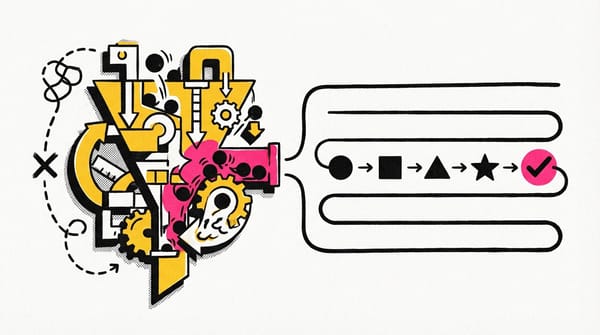
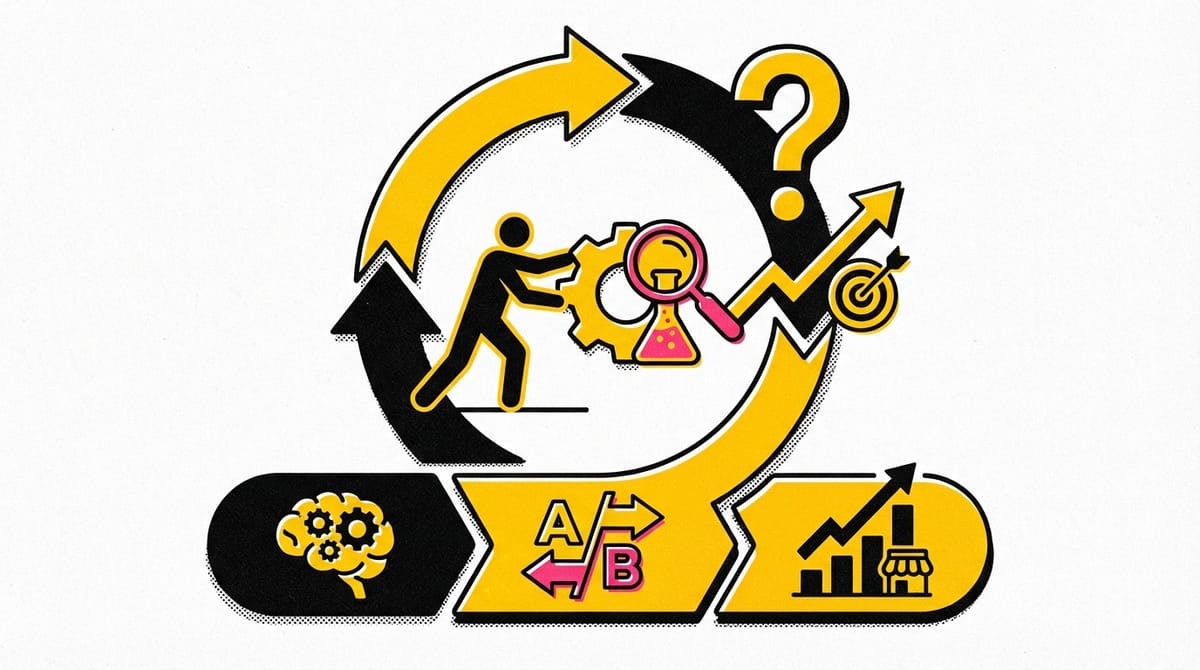
A good marketer generates multiple strategies, then figures out which one actually performs. Not one brilliant shot—many shots, measured and adjusted. Marketing is a loop: Create → Test → Measure → Adjust. Repeat forever.
When something flops, a seasoned marketer thinks: "Interesting. Let me dig into why." A beginner thinks: "I'm a fraud." The difference between the two is just reps.
Founders who build products for themselves get this wrong most often. They assume the ads will just... work. Because they love the product, surely everyone else will too. When the first campaign tanks, they're devastated instead of curious. But a failed test isn't failure—it's data.
3. If You're Not Your Target Audience, Testing Isn't Optional
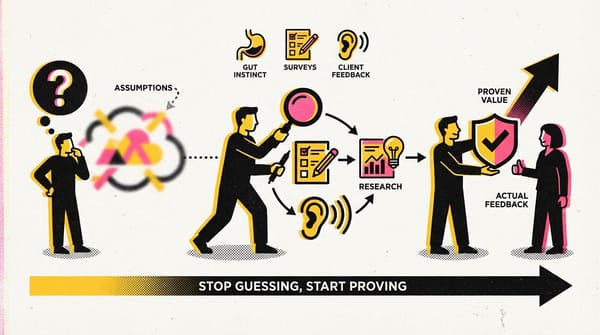
If you're not your own target audience, testing isn't optional. Ideas without validation are just guesses.
Let's say you're building a marketplace for renting construction equipment. Immediate questions:
- Is there real demand?
- When does someone need to rent an excavator versus buying one?
- What paperwork is involved?
- What are the liability concerns?
- How do disputes get resolved?
The founder might have answers to some of these. But their knowledge has blind spots. So you talk to potential users. And sometimes you discover that the founder's assumptions about the market are completely wrong. That's not a problem—that's the job.
The value of a marketer isn't producing one genius creative that goes viral. It's doing the research, testing the angles, and iterating until something sticks. Then iterating again.
4. Existing Demand vs New Demand
Existing demand and new demand require different approaches. You might use the same channels, but the mix changes dramatically.
For a new product category, you invest in demand creation first. People don't know they want it yet—you have to show them. Think about how avocados became a thing in the US. Twenty years ago, most Americans never bought one. The industry ran campaigns, partnered with chefs, got into health magazines. They created the desire before they could sell at scale.
Once demand exists, you shift to optimization. Now it's about efficiency—making sure your ad spend returns more than it costs. First you taught people to want avocados. Now you compete on price, convenience, and brand recall.
5. Marketing Without Budget Doesn't Exist
Marketing without budget doesn't exist. Nothing is free—some things are just cheaper.
People call email "free marketing." But someone has to write those emails. Design them. Set up the automation. Analyze what's working. Then there's the email platform subscription, the CRM integration, the developer time for custom tracking. Add it up and "free" becomes $3,000/month in hidden costs.
- Writing emails
- Design
- Automation setup
- Email platform subscription
- CRM integration
- Developer time for custom tracking and analytics
6. Retention Is Cheaper Than Acquisition, But Not Free
Retaining a customer costs less than acquiring a new one—but you still need to measure it.
If someone bought your product once, you have their email. You can retarget them with ads that cost a fraction of cold acquisition. But "costs less" isn't the same as "costs nothing." Run the numbers.
7. The Core Idea: Marketing Is a Never-Ending Loop
The core idea: marketing isn't about having one brilliant flash of insight. It's systematic work. Test hypotheses. Measure what happened. Adjust your approach. Do it again. The loop never ends—it just gets more refined.