Your headlines sound like government bulletins—here's the fix
Most headlines fail because they make naked value declarations with zero proof. Tabloids never make this mistake—and neither should you.

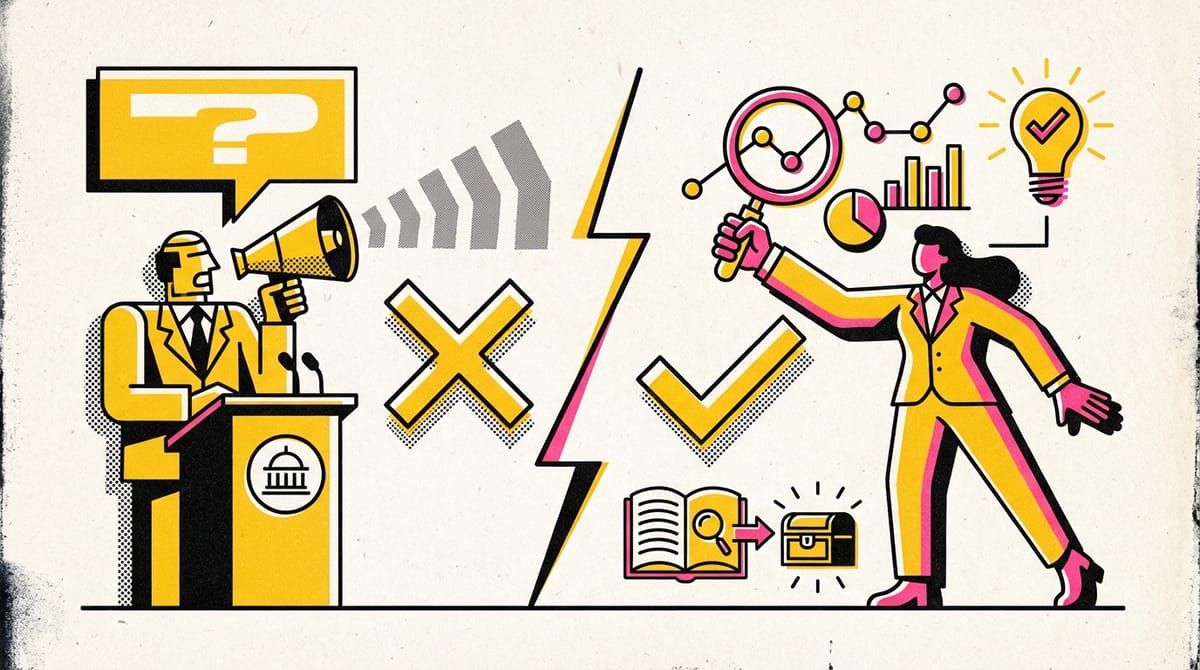
Two headlines. Same story.
"Scientist Salaries Up 30% Over Past Decade"
"Tech Bros in Shambles: Scientists Now Out-Earn Software Engineers"
Which one do you click? Exactly.
Tabloids figured this out years ago. Clickbait sites, gossip rags, Telegram channels with millions of followers—they know how to write so people actually read. Meanwhile, you and I are still writing like a government bulletin board.
Literally. Three examples from real life.
Science festival. A song plays from the stage, chorus: "Science is cool. Science matters." Audience yawns.
Billboard in downtown Moscow advertising historical tours. Slogan: "Knowing history is trendy."
Public service announcement from my childhood. Poster: "Smoking isn't cool."
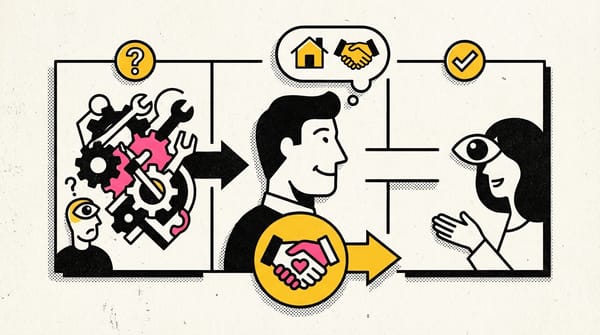
What do all three have in common? Naked value declarations. "This thing is good." Period. No explanation, no proof, no connection to you personally.
This approach has two specific problems—weak thesis and zero evidence. Tabloids never make either mistake. Let me show you why.
But first—something important
My blog works differently. I don't write clickbait. I don't chase scandals. But I'm a communications professional. And as a professional, I think you need to see the techniques that actually work—even when they feel "dirty."
This isn't dirt. It's mechanics. How you use it is your call. But not knowing it means losing to people who do.
Problem one: weak thesis
"Science is cool and important."
Cool for whom? Important to whom? Why should you personally care? The thesis doesn't speak to anyone. It floats in the air like a May Day parade banner—and has about the same effect on people.
A tabloid would never write that. Tabloids know: your thesis must answer "what's in it for me?"
Compare
Weak thesis: "Science is cool." Strong: "People in science get everything—money, status, attraction." Stronger: "Science is the fast track to the elite."
Weak: "Knowing history is trendy." Strong: "If you don't know 19th-century American history, no one will take you seriously in any real conversation. You won't get invited on a single decent podcast."