Getting Clients
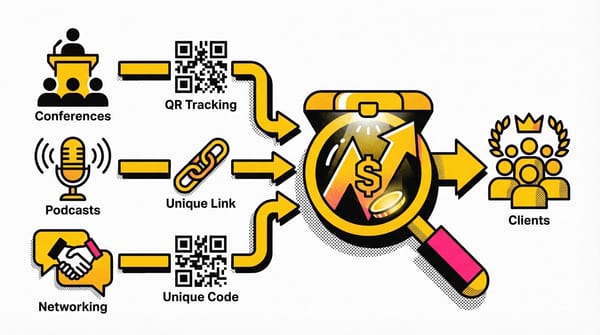
Uncover Your Offline Marketing ROI with Unique Codes and Links
Track every offline channel with unique codes, links, and QR analytics—finally know which conferences, podcasts, and networking events actually bring clients.
Getting Clients
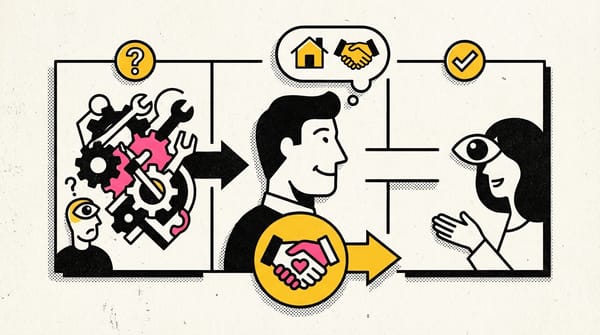
The client who hires you isn't choosing the best freelancer—they're choosing the one they recognize. When skill is impossible to evaluate upfront, familiarity becomes the deciding factor.
Getting Clients
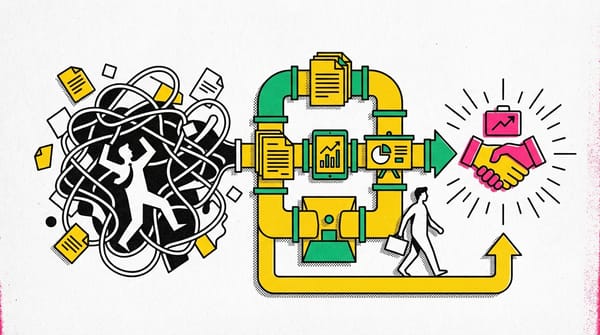
Marketing affects sales directly through ads—and indirectly through the people who close deals. Without the right materials, chaos is guaranteed.
Getting Clients
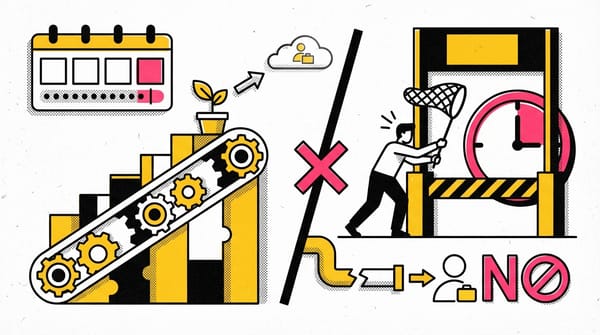
Content marketing takes 4-6 months to deliver leads. Need clients this quarter? That timeline won't bend for your deadline.

Premium rates aren't just about better work—they're about saving clients from anxiety, uncertainty, and the mental load of managing you.
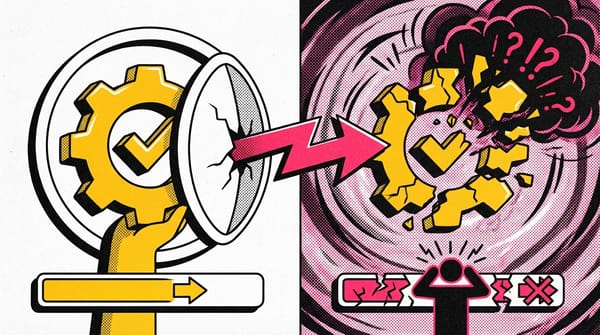
A flawless deliverable means nothing if your client spent weeks anxious, ignored, and chasing you for updates. They're not just paying for results—they're paying for peace of mind.
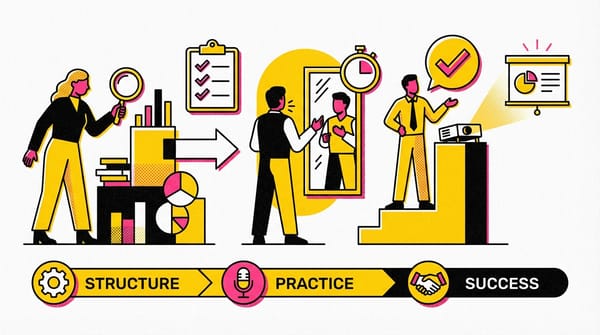
Master effective presentation skills with proven tips that boost confidence and engage your audience. Unlock your potential today!
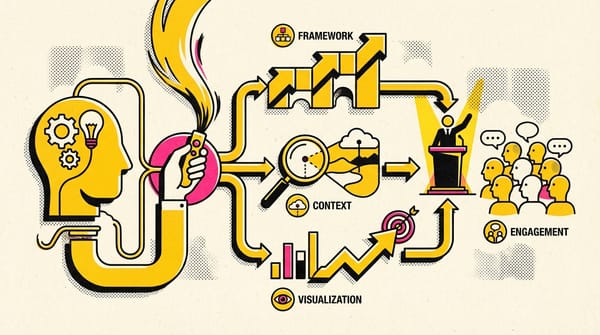
Master the art and science of presentations! Learn effective frameworks, data contextualization, and audience connection for impactful delivery.
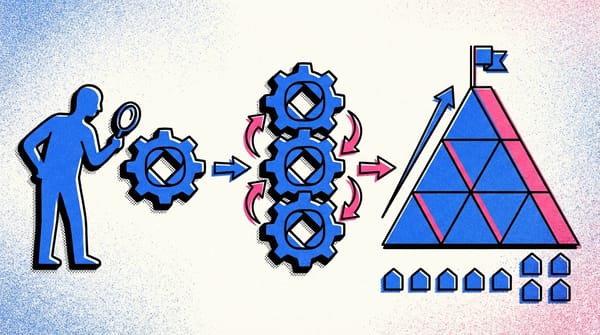
Discover key insights into business models from a product manager's perspective and learn how to enhance scalability and repeatability.
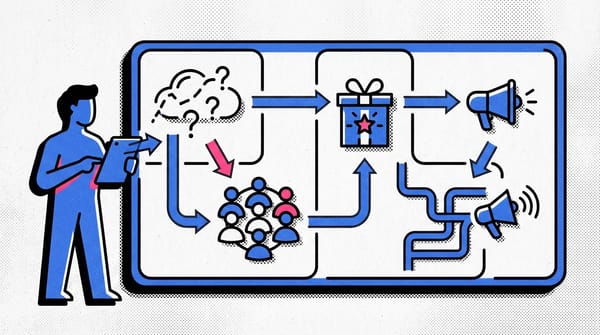
Unlock the secrets of the business model from a product manager's perspective. Discover key insights to enhance your strategy today!
Digital Product Manager's Blog: Everything You Wanted and Didn't Want to Know
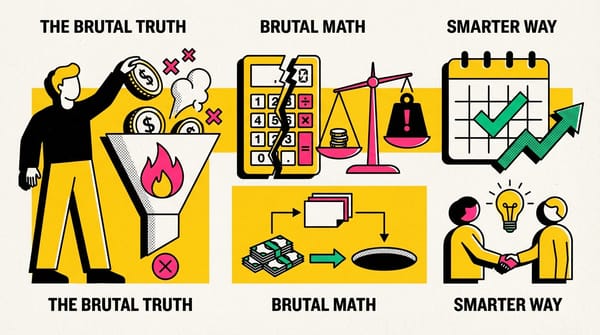
Most freelancers burn cash on ads that'll never pay off. The math is brutal—and there's a smarter way to fill your calendar.

Most consultants obsess over funnel diagrams while ignoring what actually moves clients forward. The real question: what happens after they buy?

Most consultants overcomplicate their sales funnel. The fix starts with five lines on paper and knowing exactly where clients get stuck.
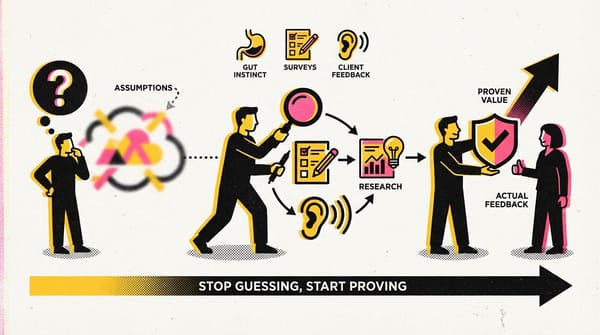
Your brand positioning is probably based on assumptions. Three simple research methods—from gut instinct to actual client feedback—reveal what people really think.
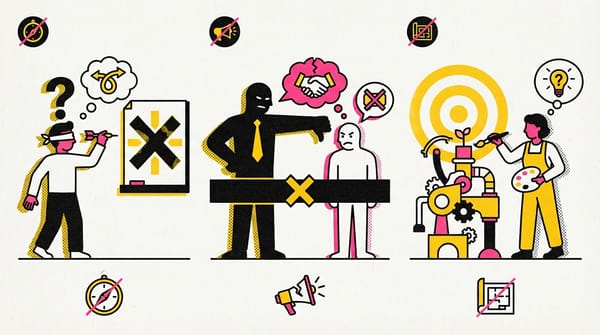
Most freelancers tank their marketing with the same three mistakes—gut-feel decisions, client condescension, and creativity without strategy.

Your resume isn't read—it's scanned by an algorithm that decides your fate in seconds.
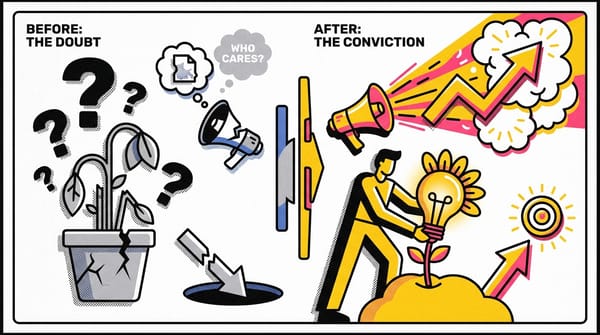
Most blogs die before the first word hits the page—killed by one question: "Who would even care?" The answer isn't finding demand. It's creating it through sheer conviction.
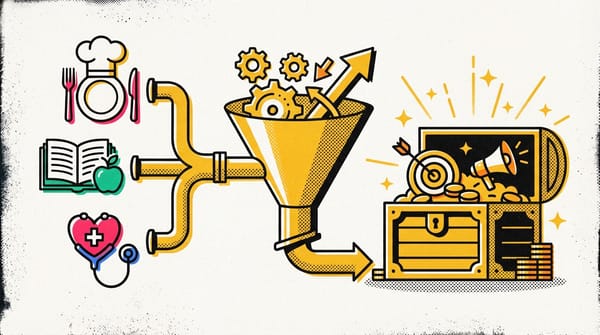
Your restaurant job, teaching career, or medical background isn't a resume gap—it's the unfair advantage that makes clients choose you over generic marketers.

Most headlines fail because they make naked value declarations with zero proof. Tabloids never make this mistake—and neither should you.

While everyone chases 100K followers, creators with 2,000 engaged subscribers are quietly outperforming them—with 3x higher engagement and 2.4x better conversion rates.
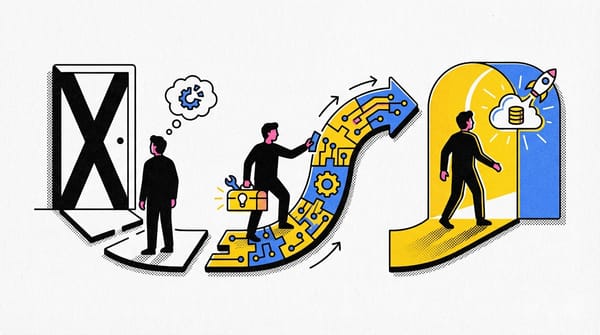
A rejection for lack of experience isn't a closed door — it's a delayed invitation. Here's how one marketer proved it by landing a tech offer six months after being turned away.
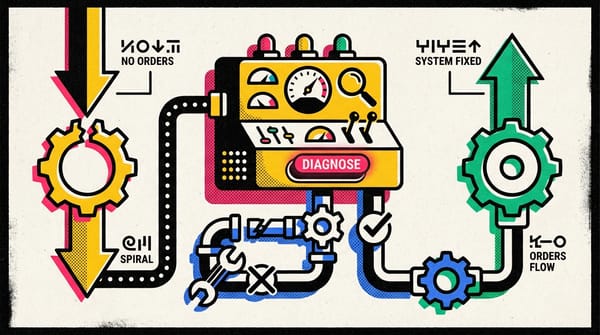
The "no clients" spiral rarely means you lack talent—it usually means your system is broken. Here's how to diagnose what's actually going wrong.